
Unfortunately, traumatic events can have a lasting impact on a person’s life, and at times it can feel impossible to move on. For some people, the trauma may feel like an ever-persistent reminder and burden—like a backpack that grows heavier with each reminder of the event. In many cases, it can feel like the moment now defines you and is a permanent fixture in daily life. No matter where you go or what you do, it’s there.
After someone goes through a traumatic experience, it is common for them to experience mental health struggles such as depression or anxiety. For others, it can be a physical reaction to a specific noise, smell, touch, sound, or sight.
Although traumatic moments are impactful on your life, it’s important to note that it is possible to move forward after trauma. Throughout this article, we will discuss how your body remembers trauma and why this occurs.
How Your Body Remembers Trauma
During a traumatic event, multiple stress hormones are released. Most people go into fight or flight mode when a traumatic event happens. If the trauma lasts long or is intense, the nervous system can easily become overworked and overwhelmed. It can also occur if the person feels shame or guilt because of the event.
Post-trauma signs and triggers
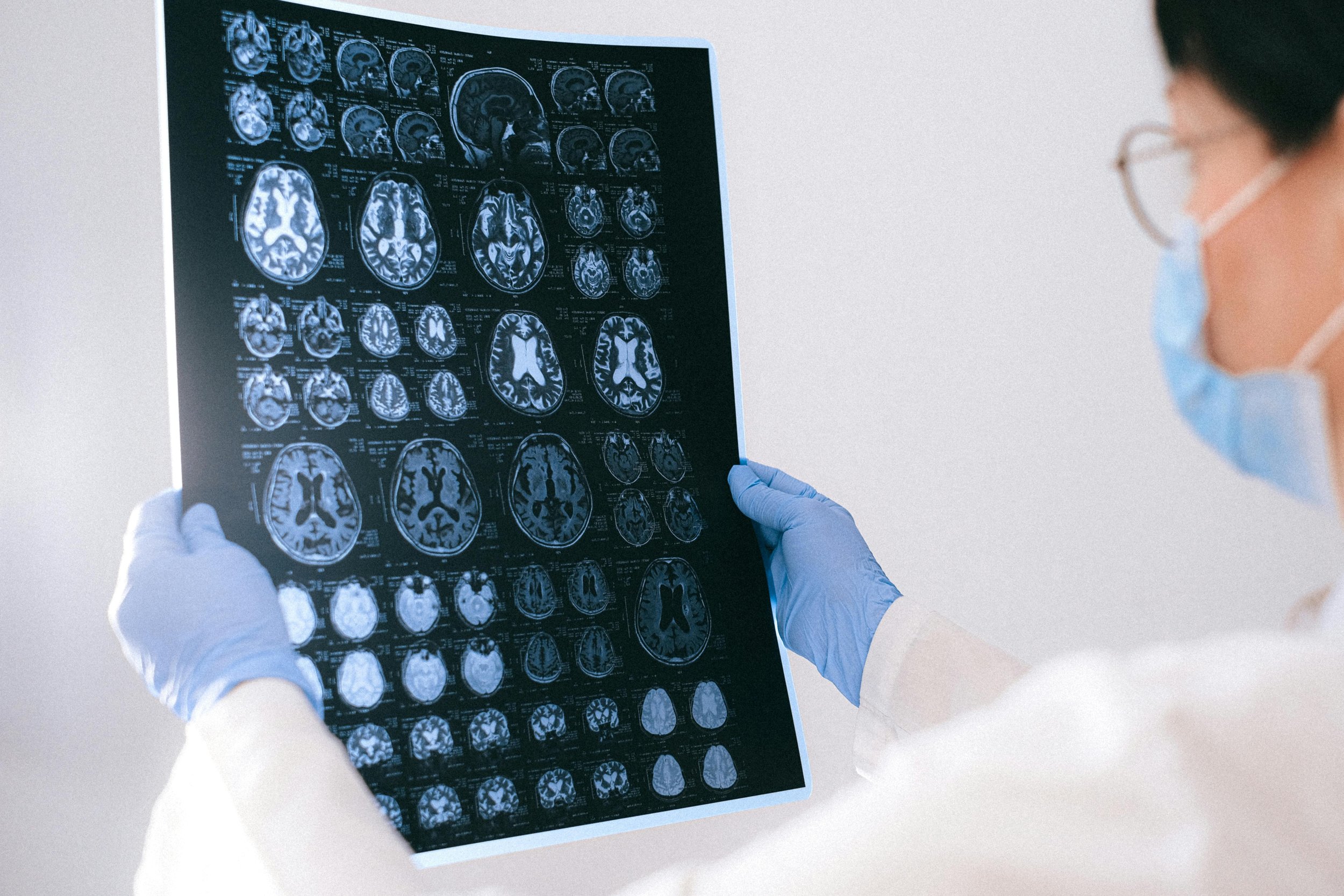
Studies [1, 2, 3] have shown that trauma can impact both your brain and your body. Trauma can live in the form of physical struggles for a person, both in the short and long term. Your mind will tell you to protect yourself from any anticipated or perceived threats, which makes stressors feel intense, both mentally and physically.
One of the most common things is experiencing physical tension due to the body’s response during the traumatic event. Depending on the event’s severity, it can also lead to issues with the digestive system, heart, and lungs. It can also show up for someone if they:
-
Become easily overwhelmed or feel on edge
-
Struggle with depression or depressive episodes
-
Experience muscle tension or chest tightening during times of stress
-
Have trouble concentrating or suffer memory loss
-
Struggle to sleep or have nightmares regularly
If someone had a a previous diagnosis of migraines, headaches, or chronic pain, trauma can exacerbate these conditions.
While triggers will be different for everyone, it’s essential to understand what some of those triggers could be.
A trigger can remind us of the trauma and activate a survival response. Even if specific details are hard to remember, the body will recognize them. Those triggers can include specific places, sounds, smells, people, or situations.
How can I move forward after trauma?
There are things you can do to help heal and move forward after a traumatic event outside of therapy and various therapy techniques.
Focus on overall well-being
This can include getting adequate amounts of sleep and rest, eating a well-balanced diet, and focusing on emotional self-care by doing things you enjoy or that help you relax.
Get back to “normal”
Traumas will inevitably have an impact on your life. It’s essential to consider your pre-trauma lifestyle and take note of that routine and how you went about your day-to-day life. If returning to your pre-trauma lifestyle is not possible, consider what things you are willing and able to shift your mindset on. For example, perhaps pre-trauma, you were planning to start full-time work out of the home. In shifting your mindset, consider in what ways you can still do work.
Don’t rush the healing process
To be able to heal from trauma, it is key not to ignore problems or symptoms, take shortcuts, or rush the healing process. It takes time to heal after any type of trauma. It also takes an immense amount of understanding and patience from the person directly impacted and those loved ones in their lives.
It’s important to remember that there are no set symptoms or signs to look out for and that trauma is different for everyone. Once you understand how your body remembers trauma, you’ll be able to begin to heal from its effects and move forward.
EMDR therapist in Utah
If you or someone you know is struggling after a traumatic experience, trauma therapy can help. Please reach out today to learn more from an EMDR therapist in Utah.